
Leisure Stakes Windsor Results History and Winning Profiles
 Available in US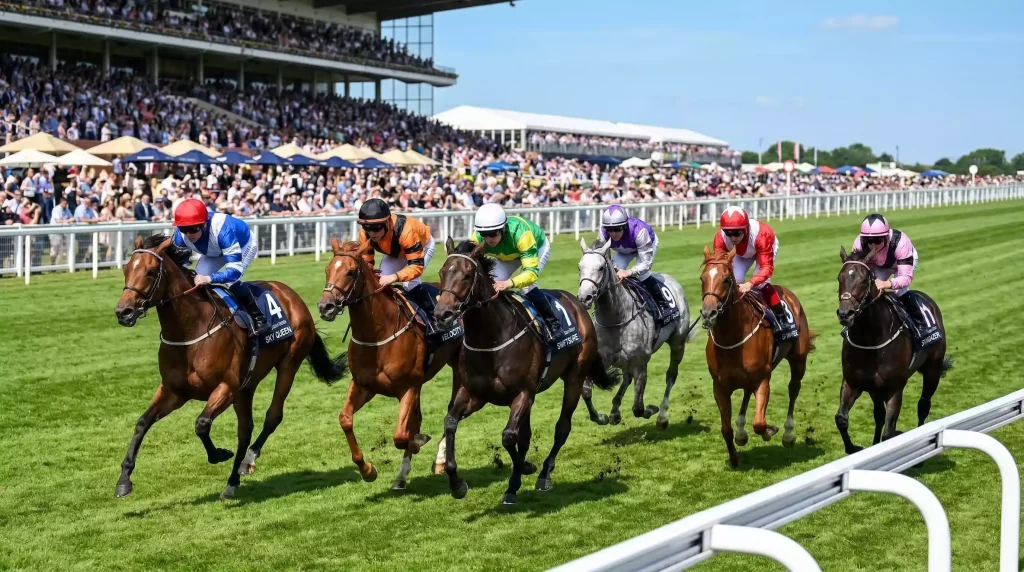
The Leisure Stakes is a Listed race for fillies and mares, run over the unusual distance of five furlongs and 217 yards at Royal Windsor Racecourse. It occupies a specific slot in the summer sprinting calendar — not quite a Group race, but more than a handicap, and frequently a stepping stone toward higher honours. For a filly who wins the Leisure Stakes convincingly, the next target is typically a Group 3 or Group 2, making this the fillies’ sprint that opens doors. The race combines Windsor’s distinctive near-straight sprint track with a conditions format that strips away the handicap variables and focuses on pure ability.
This guide covers the race profile, the patterns in its past winners, the draw and going factors at play, and what the 2026 edition might bring.
Leisure Stakes Profile: Track Distance and Entry Conditions
The Leisure Stakes is run over 5f217y — a distance that does not correspond neatly to the standard five-furlong or six-furlong sprint. The extra 217 yards beyond five furlongs take the race marginally further than a pure dash but stop well short of the six-furlong trip. The distance suits speedsters who can sustain their pace beyond the minimum sprint trip without needing the stamina for a full six furlongs — a specific profile that narrows the field to horses with genuine speed and a touch of resolution.
The race is restricted to fillies and mares, which gives it a different competitive dynamic to the open sprint handicaps that dominate Windsor’s programme. Conditions races — where weight is determined by age and sex rather than handicap mark — tend to produce clearer form lines because the field is not distorted by weight concessions. A winner of the Leisure Stakes has beaten her rivals on ability alone, which makes the form a more reliable guide for future pattern-race assessments.
Windsor’s sprint distances run almost entirely straight, and the 5f217y course is no exception. The near-straight configuration means that the race is decided by speed and positioning rather than by handling bends — unlike sprint races at courses with sharp early turns where drawn position can determine the outcome before the field has settled. The absence of significant bends also means that the race places less emphasis on the ability to change direction under pressure, which makes the Leisure Stakes form more transferable to other straight-track courses than form from tighter venues.
The going is the primary external variable: good-to-firm ground favours the fast types who can maintain top speed; softer going introduces a stamina element that changes the complexion of the race and may favour a different profile of filly. Prize money for the Leisure Stakes sits within the standard range for British Listed races, sufficient to attract competitive fields without drawing the very top tier of Group performers away from higher-value alternatives.
Past Winners and Trends
The winning profile of the Leisure Stakes has been consistent over the years. The typical winner is a three-year-old or four-year-old filly with established form at Listed or Group 3 level, trained by a yard that specialises in sprint fillies. The race has produced several horses who went on to compete at Group 1 level, using the Leisure Stakes as confirmation of their ability before stepping up in class. That stepping-stone function is what gives the race its significance beyond the prize money it carries.
Trainer dominance in the Leisure Stakes has been less concentrated than in the Winter Hill Stakes, where Sir Michael Stoute’s ten victories dwarf the competition. The Listed level attracts a broader range of yards, and the restriction to fillies and mares means that the entries draw from a specific subset of the training population. Yards with strong filly squads — those who invest in speed-oriented pedigrees and target the summer sprint programme — are the most frequent visitors to the winner’s enclosure.
Age trends favour the younger end. Three-year-old fillies receiving the weight-for-age allowance against older mares have a good record in the race, partly because the allowance compensates for any gap in physical maturity and partly because the three-year-olds are more likely to be improving, while older mares may have reached their rating ceiling. A three-year-old winning the Leisure Stakes is often signalling a future Group performer; a five-year-old winning it is more likely to have found her level.
The distance — 5f217y rather than the standard 5f or 6f — also favours a specific type. Horses who are marginally outstayed over six furlongs but have too much pace for a standard five-furlong dash find their ideal trip here. The past-winner list includes several fillies who struggled to stay six furlongs at Group level but thrived at this intermediate distance, which underlines the Leisure Stakes’ role as a niche race for a niche profile.
Draw and Going Impact
The draw over 5f217y at Windsor follows the same patterns as the other sprint distances: on soft ground, higher stalls (far side) carry an advantage because the fresher turf offers better footing. On good or firmer going, the bias is minimal and the draw becomes a secondary factor behind speed and ability. In a conditions race like the Leisure Stakes, where field sizes are typically smaller than in handicaps — eight to twelve runners is standard — the draw is less influential than in a sixteen-runner sprint handicap, simply because there is more room on the track and less traffic to navigate.
The going is the more significant variable. The Leisure Stakes falls in the summer months, when Windsor’s going typically ranges from good to good-to-firm. On quicker ground, the race favours the raw-speed types — fillies who break fast and sustain their pace through the long straight without the ground sapping their energy. On the rare occasions when summer rain produces good-to-soft, the balance shifts toward fillies with a touch more stamina and the ability to handle cut in the ground. Checking each runner’s proven going preferences is a basic but essential step before assessing the field.
Kevin Walsh, Racing Director of the Racecourse Association, has put the financial context clearly: “The prize money total of £194.7 million is an encouraging level of investment and a stimulus for participants to enter horses at British racecourses,”
Walsh said in the 2026 prize money announcement. For a Listed race like the Leisure Stakes, the prize-money context matters because it sustains the race’s attractiveness relative to similar events at other venues. A well-funded Listed race at Windsor draws better entries than an equivalent at a course offering less, and better entries produce better form — which in turn gives the race more value as a future-reference point.
2026 Preview
The 2026 Leisure Stakes is expected to retain its summer slot, most likely in June or July. The field will be shaped by the early-season form of the sprint-filly population — performances in the listed sprints at Ascot, Newbury, and Haydock in the spring will identify the likely contenders. Trainers with strong Windsor records and experience of the course’s near-straight sprint track will have a logistical advantage: they already know how their fillies handle the specific demands of the 5f217y distance on turf that rides typically good to good-to-firm.
For punters, the Leisure Stakes offers a clear analytical framework. The conditions format removes handicap variables, the restricted field narrows the pool, and the course-specific data — draw, going, running style — applies as directly here as in any race at Windsor. The fillies’ sprint that opens doors may open a few this summer. The form will tell you which ones are worth following through.
